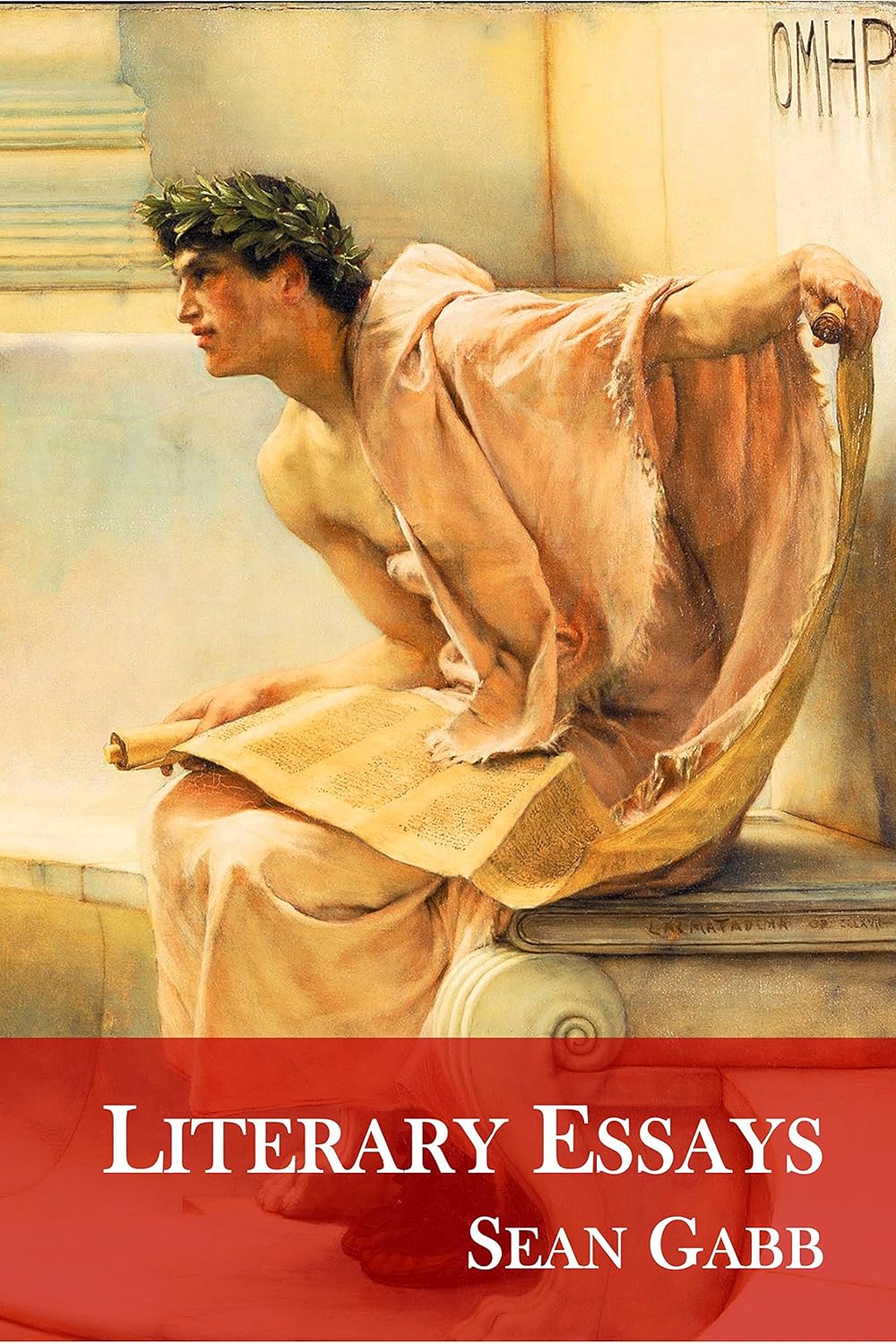
 Sean Gabb, Literary Essays, 2d ed. (Deal: Hampden Press, 2018 [2011]). An unrelated email search reminded me that I had provided an endorsement for this book back in 2011.
From the Amazon description:
This book sets out to answer the following questions:
- Why bother learning Latin?
- How did the Romans pronounce Greek?
- Should the Elgin Marbles be handed over to the Modern Greeks?
- Did the ancients have market economies?
- Should Epicurus be venerated above Plato and Aristotle?
- Why is Carol Ann Duffy not even a bad poet?
- What makes Macaulay a great historian and L. Neil Smith a great science fiction novelist?
- Why is The Daily Mail — easily the best newspaper in England — not fit for wrapping fish and chips?
- What is the future of the printed book?
Sean Gabb deals with these and other issues in this collection of essays. Lively and provocative, they are written for every lover of ancient or modern literature.
Extract: We, the civilised classes of Western Europe and the English-speaking world, are the true heirs of Greece; and, beyond all reasonable doubt, England has been the Athens of that New Greece. The Elgin Marbles are presently in London, and by all that we may regard as sacred, it is our duty to keep them there.
Pre-publication comments on this book:
“A brightly shining exception to the observations of Lord Acton, Sean is not just a great man, he is a good man. If there were a thousand of him, even a hundred, we could have a decent, livable society tomorrow. We probably will, in the end, and when we do, a very large part of that victory will be his own to claim.” (L. Neil Smith, best-selling author of The Probability Broach and 30 other novels)
“Libertarians have sound ideas but are not always great writers, and are not usually authorities on literature and literary matters. Rarer still is the literary essayist who is not confused or ignorant about politics and economics. It is thus refreshing to encounter Sean Gabb’s literary writing. A long-time libertarian activist and writer who is also a superb novelist and literary essayist, an honest and clear writer, he is our modern libertarian man of letters. This splendid and sparkling collection of essays provides fascinating insights into literature and other literary topics, without the typical leftist baggage and economic illiteracy.” (Stephan Kinsella, Editor, Libertarian Papers; Senior Fellow, Ludwig von Mises Institute)


Recent Comments